
8 of the Most Important Events in the Bible
The Bible spans thousands of years of history, so it can be difficult to see how its major moments connect at first glance. From Creation to the resurrection of Jesus Christ, certain events mark important turning points in God’s work throughout human history. Looking at the most important events in the Bible gives readers a clearer framework for understanding the larger Biblical account.
1. The Creation of the World
Genesis begins with God creating the heavens, the earth, and every living thing. Over six days, He formed the world in an orderly progression, bringing forth light, land, vegetation, heavenly bodies, animals, and mankind. Creation establishes God as the sovereign Creator and the source of all life.
Genesis records several major parts of Creation:
- light separated from darkness
- sky, land, and seas formed
- plants and trees created
- sun, moon, and stars made
- sea creatures and birds created
- land animals brought forth
- man and woman created
2. The Fall of Humankind
God allowed Adam and Eve to eat freely from the trees of the garden, with one exception: the tree of the knowledge of good and evil. The Fall is one of the most important Biblical events because it records mankind’s first act of disobedience against God. After the serpent tempted Eve, she ate the forbidden fruit and gave some to Adam.
Their sin immediately changed their relationship with God. Adam and Eve became aware of their nakedness, hid themselves, and faced the consequences God had warned them about. Eventually, they were sent out of the Garden of Eden and prevented from returning to the tree of life.
Sin Enters the World
The Fall explains how sin and death entered human experience. Romans 5:12 teaches that sin entered the world by one man and that death came by sin. From that point forward, Scripture traces sin’s effects through the generations that followed Adam. Understanding the Fall also gives readers essential context for the Bible’s later emphasis on redemption and salvation.
3. Noah and the Great Flood
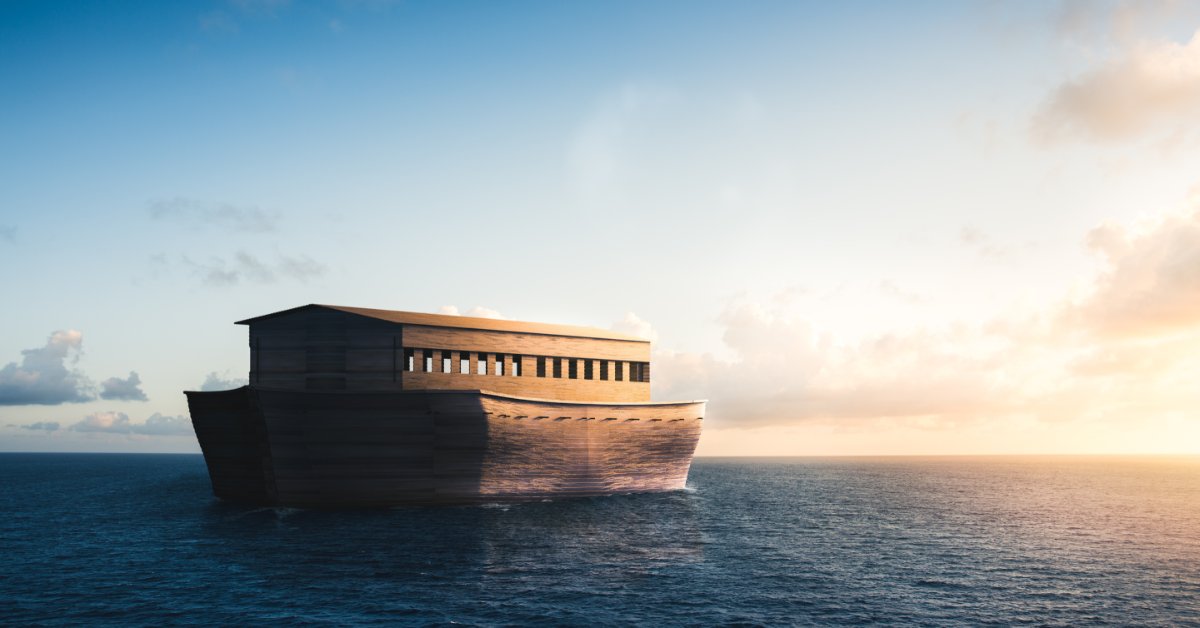
As mankind multiplied, wickedness became widespread across the earth. Genesis 6 records that Noah found grace in the eyes of the Lord, and God instructed him to build an ark before sending a worldwide flood. Noah obeyed, preparing the ark for his family and the animals God would preserve.
The floodwaters covered the earth, but Noah, his family, and the creatures within the ark remained safe. Once the waters receded, Noah left the ark and built an altar unto the Lord. God then established a covenant with Noah and set the rainbow in the cloud as its sign.
4. The Exodus From Egypt
The children of Israel lived under harsh bondage in Egypt until God called Moses to lead them out. Pharaoh repeatedly refused to release the Israelites, so God sent a series of plagues upon Egypt. After the final plague and the first Passover, Pharaoh finally allowed the people to leave.
Several major events shaped Israel’s departure from Egypt:
- Moses confronts Pharaoh
- God sends ten plagues
- Israel observes the first Passover
- The Israelites leave Egypt
- Pharaoh’s army pursues them
- Israel crosses the Red Sea
Israel Crosses the Red Sea
Pharaoh soon regretted releasing the Israelites and pursued them with his army. Trapped between the Red Sea and the approaching Egyptian forces, the people feared they would be overtaken. God divided the waters, allowing Israel to cross on dry ground before the sea returned over Pharaoh’s pursuing army. The crossing displayed God’s power and marked Israel’s decisive escape from Egyptian bondage.
5. The Giving of the Law
After leaving Egypt, the Israelites traveled through the wilderness and arrived at Mount Sinai. There, God established the commands that would shape Israel’s worship, moral conduct, and life as His people. The Law gave the nation a clear standard for faithful living.
Moses went up the mountain and received the Ten Commandments from God. These commands set foundational expectations for honoring the Lord and treating others rightly. He later returned to the people carrying the stone tablets on which the commandments were written.
6. The Birth of Jesus Christ
The New Testament begins a new stage of Biblical history with the coming of Jesus Christ. Matthew and Luke record the circumstances surrounding His birth, including the fulfillment of prophecy and His birth to the virgin Mary. Jesus was born in Bethlehem during the reign of King Herod.
Luke records that Mary laid Jesus in a manger because there was no room for them in the inn. Angels announced His birth to shepherds, who went to Bethlehem and found Mary, Joseph, and the child. Christ’s birth fulfilled God’s promises concerning the coming Messiah and prepared the way for His earthly ministry.
7. The Crucifixion and Resurrection
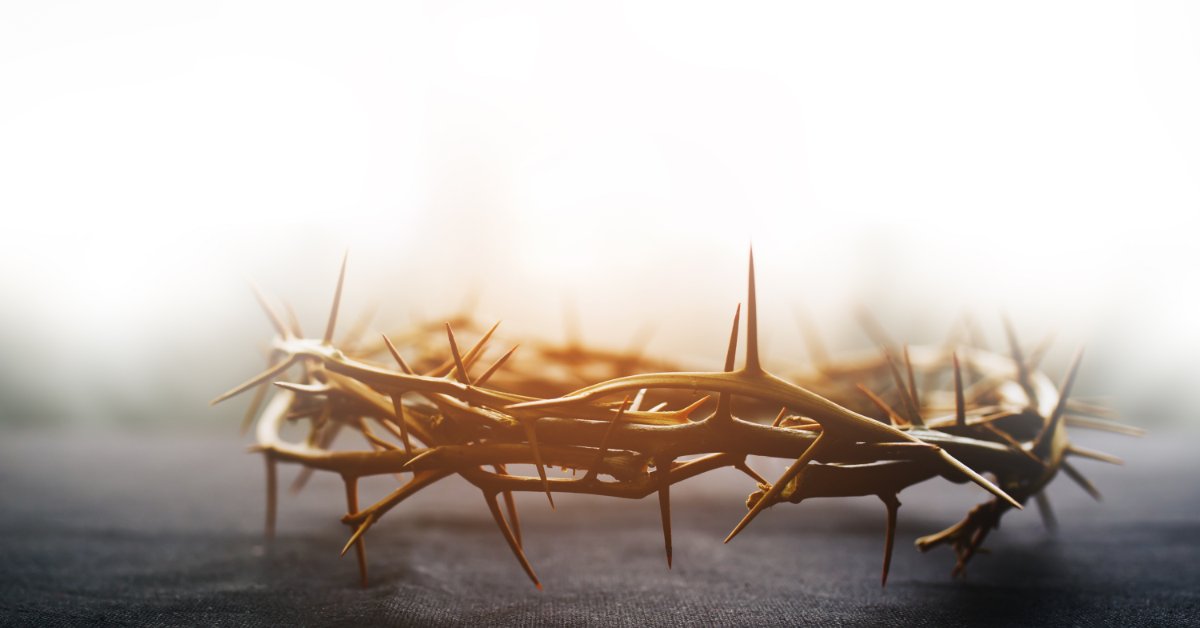
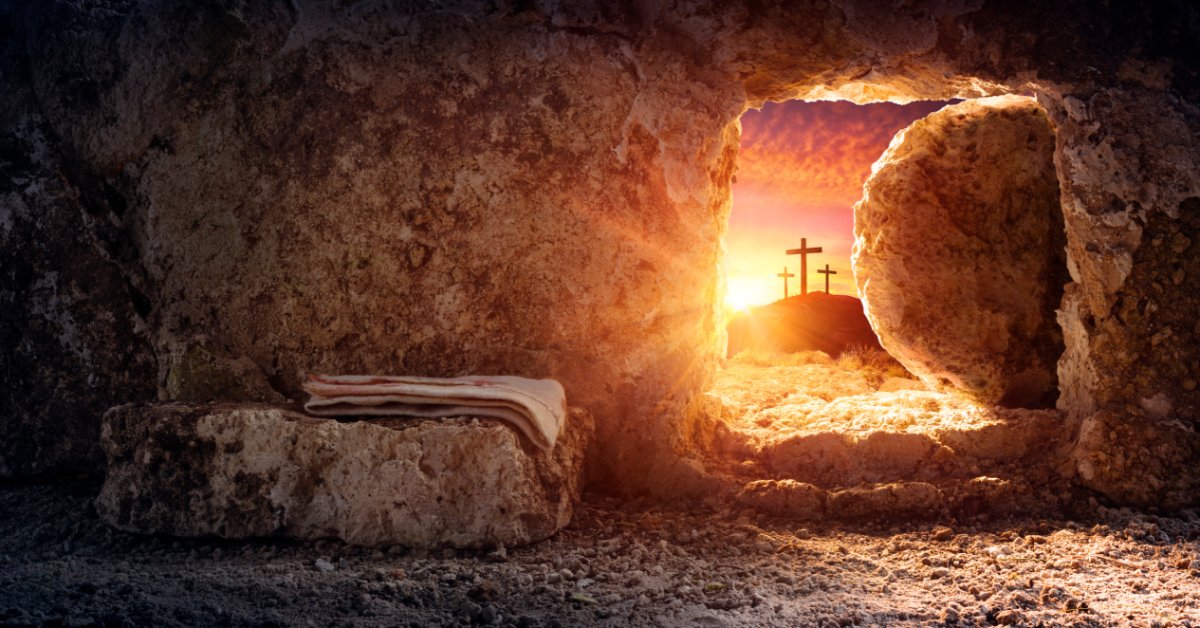
The crucifixion of Jesus Christ stands at the center of the Gospel accounts. After He was arrested, tried, mocked, and beaten, Jesus was given a crown of thorns. He was taken to Golgotha and crucified between two thieves. He willingly gave His life, and His body was later placed in a tomb.
What followed changed everything for Christ’s grieving followers. On the third day, women came to the tomb and found the stone rolled away. Jesus had risen from the dead, just as He had said.
Jesus Rises From the Dead
The resurrection confirmed Christ’s victory over death and stands at the heart of the Gospel message. The risen Jesus appeared to His disciples and to others before His ascension. First Corinthians 15 emphasizes that the resurrection is essential to Christian faith and preaching. Because Christ rose bodily from the grave, believers have a sure foundation for the hope of eternal life.
8. The Ascension of Jesus Christ
After His resurrection, Jesus spent time with His disciples and gave them further instruction. Acts 1 records that He told them they would receive power through the Holy Ghost and become witnesses unto Him. He was then taken up while the disciples watched, and a cloud Him from their sight.
Two men in white apparel told the disciples that Jesus would return in the same manner in which they had seen Him go into heaven. The disciples then returned to Jerusalem and continued together in prayer as they waited for what Christ had promised. The ascension closes Christ’s earthly ministry while pointing forward to His promised return.
Keep Returning to These Accounts
These events provide readers with a strong framework for understanding the Bible’s broader historical account, from Creation through Christ’s ascension. Revisiting them can deepen your understanding of God’s Word and show how major Biblical events connect across Scripture. Giant print KJV Bibles can also make it more comfortable to spend longer periods reading these passages, along with others, such as David and Goliath, Daniel in the lions’ den, and the conversion of Paul. Even familiar passages can reveal details, connections, and truths you may not have noticed before.
The Bible repeatedly points readers to God’s character, His authority, and His plan of redemption through key events. These accounts remind Christians that Scripture is not a collection of disconnected stories, but a unified record of God’s work among His people. Keep reading these passages throughout your walk with Christ to grow in your understanding of Scripture and the truths it teaches.